We’d like age to keep more than one meaning
MOTS-c Age Notes is for curious readers who are tired of being invited to declare war on birthdays. We can take a peptide seriously without treating getting older as a personal defeat. That's the spirit of these notes.
One word, several meanings
Age can mean years since birth. It can also turn up in a sentence about a blood reading or an everyday ability. Mix those meanings together and a small finding can sound much bigger than it is.
We read claims about MOTS-c peptide with that mix-up in mind. A compound can be interesting to researchers without being an answer to ageing. You can want easier movement without owing anyone a younger body. We think both thoughts deserve some room.
Useful means something on Tuesday
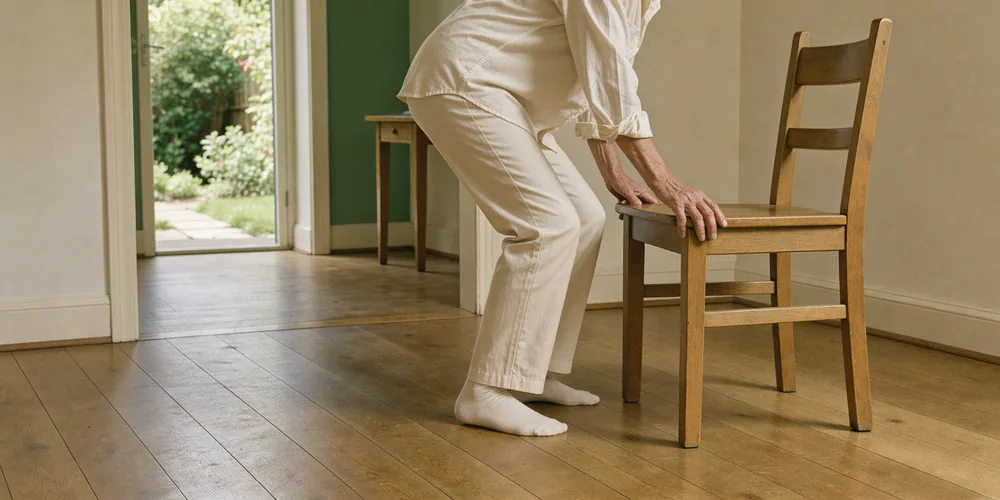
Getting up from a seat and walking farther are different aims. Neither is the same as changing a blood test. We use ordinary examples to pin down the hoped-for benefit, without claiming MOTS-c delivers it.
The preliminary strength study shows why that matters. Natural MOTS-c blood levels were linked with leg strength, but not with maximal oxygen uptake, a measure of exercise capacity. The researchers didn't give people MOTS-c to test a benefit. That last detail changes how we read the whole result.
We keep the mice in the sentence
A cell experiment can suggest how something works. A mouse experiment can show an effect in mice. Measuring something in people can reveal a relationship. We try to say which happened while there's still room in the sentence.
The 2021 mouse performance study reported better physical performance after MOTS-c. The healthy-men study measured natural levels in muscle and blood. Those are different kinds of evidence. Putting them beside each other doesn't produce a human treatment trial.
The awkward gaps stay visible
The FDA assessment found no human safety studies and raised concerns about immune reactions. We keep that beside the appealing findings. It belongs in the same conversation, even when it makes the answer less tidy.
This site gives no medical advice. We don't assess symptoms, choose treatments or recommend amounts. A clinician who can consider your circumstances has a different job from a guide explaining papers.
There is no public inbox or contact form here. The contact notes explain that limit and how to check our reading against a source. We'd rather leave you with a clear unanswered question than a confident sentence the evidence can't carry.